

Why More Young Men Have Erectile Dysfunction in 2026
Erectile dysfunction is no longer a problem people only link to older age. In 2026, more men in their late teens, 20s, and 30s are talking about it, and more are searching for answers in private.
The numbers help explain why. One recent US survey found that about 17.9% of men ages 18 to 24 met clinical criteria for ED, and some estimates put at least mild symptoms in more than a third of men under 40. Whether you're dealing with it yourself or trying to understand a partner, the big point is simple: the cause is often mixed, with mental and physical factors tangled together.
That mix matters, because erection problems can be temporary, treatable, and sometimes an early sign that the body needs attention.
What is driving the rise in ED among young men right now?
The rise in erectile dysfunction among younger men doesn't point to one neat cause. It looks more like a traffic jam, where stress, sleep loss, blood flow, hormones, medications, and habits all crowd the same road.
One recent survey helps frame the issue:
| Age group | Share meeting clinical criteria for ED |
|---|---|
| 18 to 24 | 17.9% |
| 25 to 34 | 13.3% |
| 35 to 44 | 12.7% |
Those figures come from the National Survey of Sexual Wellbeing report. They don't mean every rough night is a disorder. They do show that this is common, even before 40.
Young men often assume the problem must be "all in their head." Sometimes it is mostly mental. Still, research keeps pointing to a more complicated picture. Many younger men with ED also have a physical factor in the background, even when stress is part of the story. That matters because ED can be an early health signal, not a personal failure.
Stress, anxiety, and pressure are hitting sexual health harder
Sexual arousal starts in the brain, then the body follows. When the brain is flooded with fear, shame, pressure, or distraction, that chain breaks.
Performance anxiety is a big reason. A man worries about losing an erection, then the worry becomes the cause. Depression can flatten desire. Burnout can leave the body feeling switched on for work but switched off for sex. Relationship tension adds another layer, because sex rarely feels relaxed when the air is heavy.
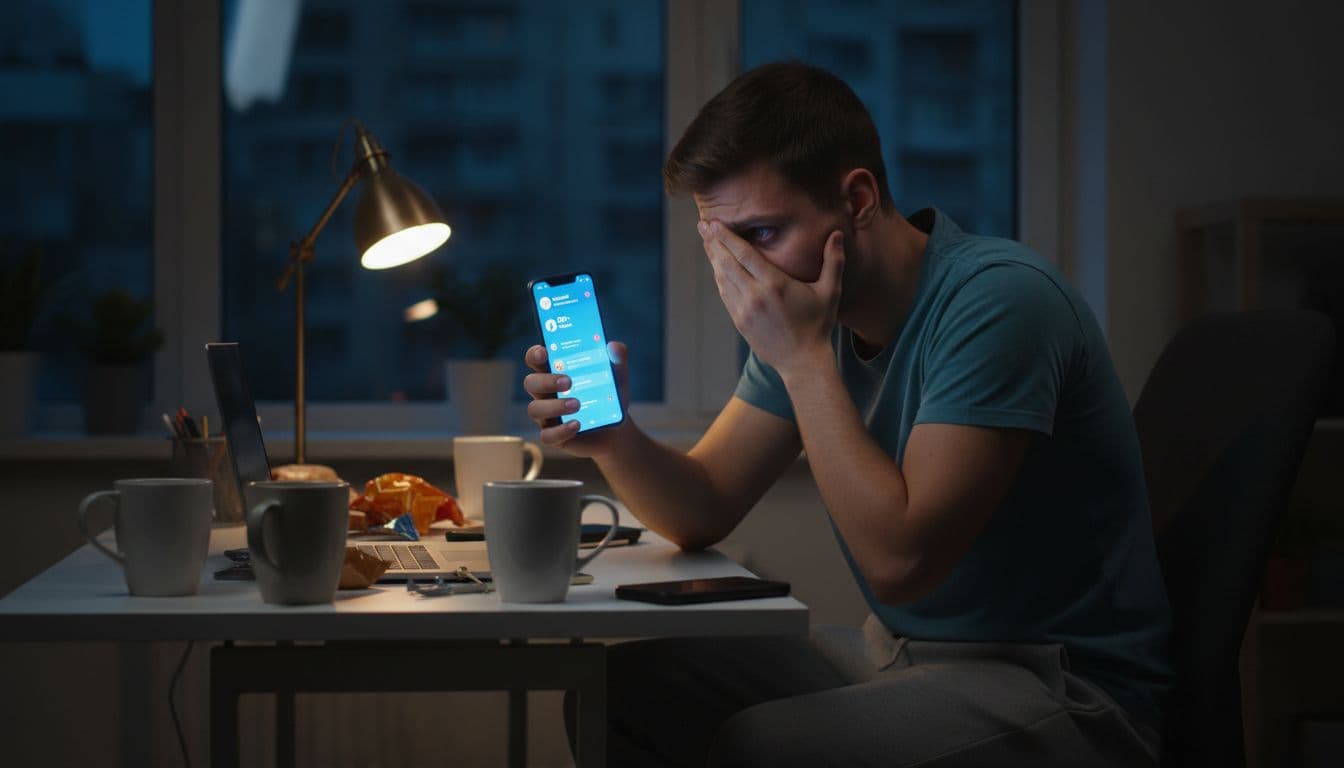
Social media also changed the mood around sex. Constant comparison, polished bodies, and unrealistic expectations can make intimacy feel like a test. Digital sexual content can add its own pressure, especially when it shapes ideas about how bodies "should" respond every time.
That doesn't mean one bad week online causes ED. It means the mind and body work as a team, and stress can interrupt that team fast. Cleveland Clinic's review of ED in younger men points to psychological causes as common in this age group, while also warning that medical factors shouldn't be ignored.
Sleep, diet, and inactivity can work against erections
Poor sleep shows up in the bedroom long before many people connect the dots. When sleep is short or broken, testosterone can dip, mood gets worse, and the nervous system stays tense. A tired body doesn't respond the same way.
Diet matters too. Meals high in sugar and ultra-processed foods can push weight gain, insulin problems, and low energy. Over time, those changes hurt the blood vessels that erections depend on. Add long hours sitting, little exercise, and late-night screen habits, and the pattern becomes clear.

Many young adults live in routines that look normal on the surface: desk job by day, phone by night, takeout when time is short, gym plans that never happen. Those habits don't ruin erections overnight. They chip away at circulation, hormone balance, and energy until sex starts to feel harder than it used to.
The physical health issues many young men do not expect
Age can be misleading. A 28-year-old can still have high blood pressure, early insulin resistance, medication side effects, or nerve issues. Youth doesn't cancel biology.
Blood flow problems can start earlier than most people think
An erection depends on healthy blood vessels. The arteries in the penis are small, so they can show trouble before larger arteries cause clear symptoms elsewhere. That's why ED sometimes appears before someone learns they have heart or circulation problems.
An erection is a blood flow event. When blood vessels struggle, sexual function may notice first.
High blood pressure, high cholesterol, smoking, vaping, and early plaque buildup can all limit circulation. The scary part is that many of those conditions are silent at first. A man may feel fine during the day, yet see repeated trouble during sex. That gap is one reason ED shouldn't be brushed off as "just stress."
The broader pattern lines up with age-based U.S. prevalence data, which shows the issue affects younger adults more often than many people expect.
Hormones, diabetes, and hidden health conditions can play a role
Low testosterone gets a lot of attention online, but it isn't the answer to every case. Hormone shifts can matter, especially when low sex drive, fatigue, low mood, and reduced morning erections show up together. Still, many men with ED have normal testosterone and another cause.
Diabetes is a major one. High blood sugar can damage blood vessels and nerves, both of which are needed for a firm erection. Obesity can raise the odds of insulin resistance, lower testosterone, and sleep apnea, which adds another hit to energy and sexual function. Some medications can also interfere, including certain antidepressants, blood pressure drugs, and treatments that affect hormones.
In plain terms, the body has many moving parts here. If one gear slips, the whole system can feel off.
Habits and trends in 2026 that may be making ED worse
Some risk factors are old, but they still matter. Others feel more tied to life right now, where stress, screens, and stimulation rarely turn off.
Smoking, alcohol, and drug use still matter, even in younger bodies
Smoking remains one of the clearest risk factors for ED because it damages blood vessels. Vaping may seem cleaner, but nicotine still tightens vessels and can work against normal blood flow. Heavy drinking can also blunt erections in the short term and raise risk over time. Recreational drugs may disrupt nerves, hormones, mood, or desire, depending on the substance.
This isn't about moral judgment. It's about mechanics. Blood vessels, nerves, and arousal don't care whether someone is 24 or 64. If those systems get hit often enough, performance changes.
Always-on screens and unrealistic sexual scripts may be changing desire
Phones trained many people to expect constant novelty. Sex doesn't work like a feed you can refresh every few seconds. Arousal often needs focus, safety, and presence, yet modern life pulls attention in the other direction.
Some men notice they can respond to endless digital stimulation but struggle during real intimacy. For others, the issue is less about porn itself and more about the bundle around it: poor sleep, secrecy, distraction, anxiety, and unrealistic expectations. That's why extreme claims don't help. Screen habits are one possible factor among many, not the whole story.
A recent ED statistics summary also ties younger men's symptoms to smoking, obesity, diabetes, high blood pressure, and vascular disease. Daily habits often pile onto those risks.
When ED is a sign to get help, and what usually helps most
A temporary off night is common. Repeated ED is different. If it happens often, lasts for weeks, or starts showing up with other symptoms, it deserves a real look.
Red flags that should not be brushed off
These signs should move the issue out of the "wait and see" category:
- ED happens often, not once in a while.
- Morning erections fade or disappear.
- Sex drive drops along with erection quality.
- Fatigue, numbness, chest symptoms, or shortness of breath show up.
- Thirst, frequent urination, or unexplained weight change suggest blood sugar trouble.
- Low mood, panic, or loss of interest point to depression or anxiety.
Early evaluation can protect more than sexual function. A clinician may review medications, check blood pressure, blood sugar, cholesterol, sleep, and mental health, then connect the dots.
Small changes can improve erections and confidence over time
The best treatment depends on the cause. For some men, better sleep, less alcohol, more movement, and smoking reduction make a real difference. For others, therapy helps break the cycle of pressure and fear. When an underlying condition is found, treating that problem often improves erections too.
Prescription options can help when a clinician decides they're appropriate. Some men use sildenafil for erectile dysfunction, while others may be better suited to different medicines or a longer-acting option. The right choice depends on health history, other medications, and how often symptoms occur.
Progress usually isn't instant, but it is common. Once the cause is named, the shame often starts to lose its grip.
What matters most
ED in younger men is often a mix of stress, modern habits, and real physical health issues. That mix can feel confusing, but it also means there are several ways to improve it.
The hardest step for many men is admitting the problem deserves attention. Still, early help can improve both sexual health and long-term health. Silence keeps people stuck, while answers often open the door to recovery.


0 comments