

Table of Contents
- Understanding Your Out-of-Pocket Cancer Costs
- Patient Assistance Programs for Cancer Drugs
- Generic vs. Brand-Name Cancer Medication Cost
- Navigating Insurance Coverage and Prior Authorization
- Appealing Insurance Denials for High-Cost Drugs
- Online Pharmacies and Direct Sourcing Options
- Financial Counseling and Tax Deductions
- Your Action Plan to Reduce Medication Costs
Last Updated: August 17, 2026
Understanding Your Out-of-Pocket Cancer Costs
Cancer treatment ranks among the most expensive health conditions to manage. Even with insurance, patients often face substantial out-of-pocket expenses that can exceed their annual deductibles, coinsurance obligations, and copay requirements. The financial toxicity of cancer care, where treatment costs create genuine hardship, affects millions of patients annually.
Understanding where your costs originate is the first step toward managing them. Most cancer patients encounter expenses in three areas: the chemotherapy or targeted therapy drugs themselves, supportive medications to manage side effects, and the administrative overhead of prior authorization and coverage gaps. A typical oncology patient on specialty pharmacy medications might see monthly out-of-pocket costs ranging from $500 to $5,000 or more, depending on their insurance plan's structure and the specific drugs their treatment plan requires.
This guide from Chemistway covers the most practical strategies for reducing these costs without compromising your care. Whether you have insurance or are uninsured, the approaches outlined below address the real financial barriers patients face when accessing affordable cancer medication.
Patient Assistance Programs for Cancer Drugs
Patient assistance programs are manufacturer-sponsored initiatives that provide free or heavily discounted medications to eligible patients. These programs exist because pharmaceutical companies recognize that cost barriers prevent patients from starting or continuing treatment. For many cancer drugs, these programs eliminate out-of-pocket costs entirely.
Most major pharmaceutical manufacturers operate patient assistance programs for their oncology products. The eligibility criteria typically focus on household income and insurance status rather than absolute income limits. Many programs serve both insured and uninsured patients, insured patients often qualify if their insurance plan doesn't cover the drug or if out-of-pocket costs exceed a certain threshold.
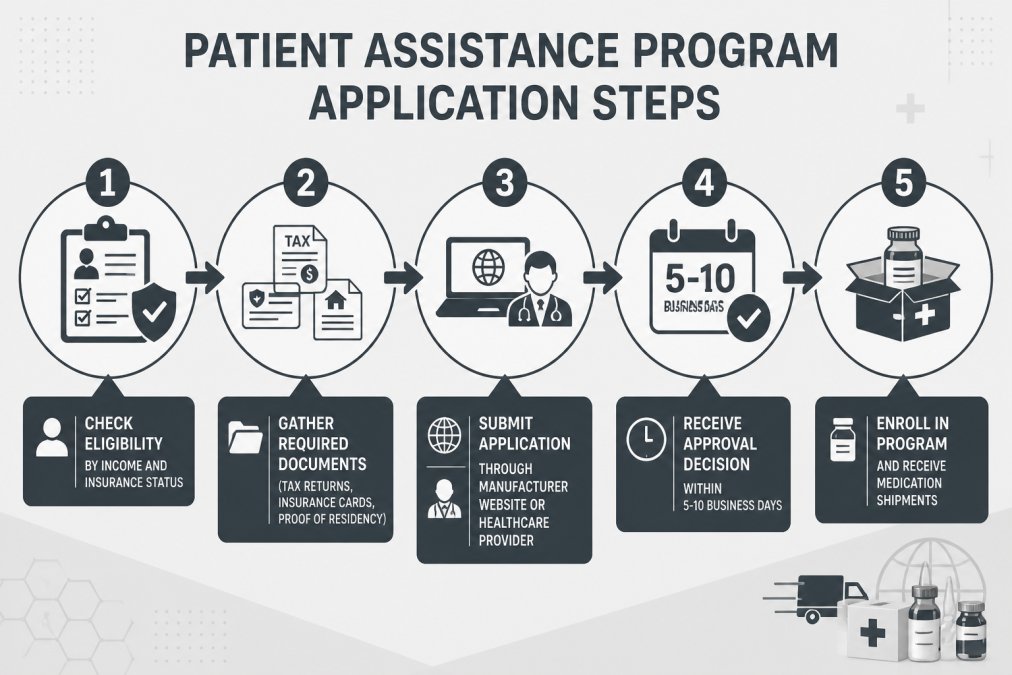
How to Apply for Manufacturer Programs
The application process for manufacturer patient assistance programs follows a consistent pattern across most companies. Start by contacting your oncologist's office, many practices have staff dedicated to helping patients navigate these programs. Your healthcare provider can often initiate the application on your behalf, which simplifies the process significantly.
You'll need to gather specific documentation: proof of household income (recent tax return or pay stubs), current insurance information, and proof of residency. Some programs request a letter from your oncologist confirming your diagnosis and treatment plan. Complete applications typically take 15-30 minutes to submit.
Most manufacturers process applications within 5-10 business days. Once approved, medications ship directly to your home or to your pharmacy on a regular schedule. Many programs include automatic refills, eliminating the need to reapply each month. The key is starting early, apply before your first dose whenever possible to avoid gaps in treatment due to cost concerns.
Non-Profit and Charitable Foundation Support
Beyond manufacturer programs, nonprofit organizations and disease-specific foundations provide financial assistance for cancer patients. Organizations like the American Cancer Society, CancerCare, and disease-specific foundations (such as those focused on lung cancer, breast cancer, or leukemia) offer copay assistance, medication subsidies, and grants for treatment-related expenses.
These organizations typically have less restrictive eligibility requirements than manufacturer programs. Many serve patients regardless of insurance status and offer assistance for multiple aspects of cancer care, not just medications, but also transportation, lodging during treatment, and nutritional support. The application process is usually straightforward and can be completed online or by phone.
Generic vs. Brand-Name Cancer Medication Cost
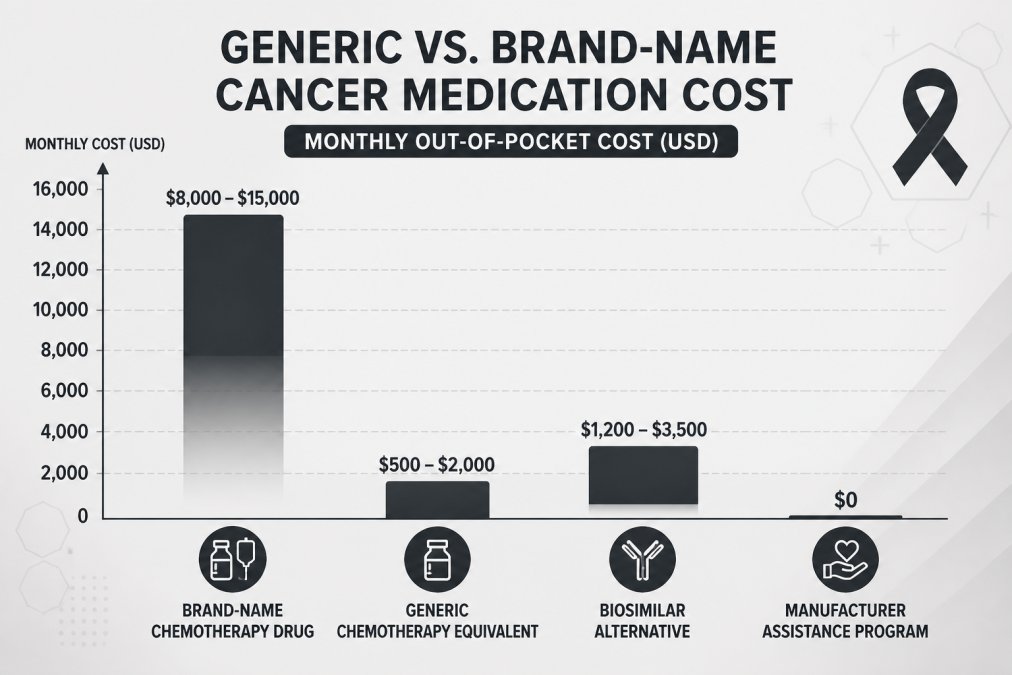
The cost difference between brand-name and generic cancer medications can be dramatic. Generic versions of chemotherapy drugs cost 70-90% less than their brand-name equivalents while maintaining identical chemical composition and therapeutic effect. For patients paying out-of-pocket, this difference can mean the distinction between affording treatment and facing financial catastrophe.
How Generics Work and Their Safety Profile
Generic cancer medications contain the exact same active pharmaceutical ingredient as brand-name drugs in the same dosage and formulation. The FDA requires generic drugs to demonstrate bioequivalence, meaning they perform identically in the body. The only differences between a generic and brand-name chemotherapy drug are the manufacturer, packaging, and price.
Many oncologists and patients harbor concerns about generic chemotherapy drugs, but this hesitation isn't supported by evidence. Generic cancer medications undergo the same rigorous manufacturing standards as brand-name versions. Your healthcare provider can confidently prescribe generics for most cancer treatments without any compromise to efficacy or safety.
The primary barrier to generic use isn't clinical, it's administrative. Some insurance formularies still prioritize brand-name drugs or require prior authorization for generics. If your insurance denies coverage for a generic version, your oncologist can appeal the decision by documenting medical necessity. In many cases, the appeal succeeds because generics are medically equivalent and significantly less expensive.
Biosimilars as a Lower-Cost Alternative
Biosimilars represent another cost-reduction option for patients requiring biologic cancer therapies. A biosimilar is a medication created to be highly similar to an existing FDA-approved biologic drug. For cancer patients using targeted therapies or immunotherapy drugs derived from living cells, biosimilars can reduce costs by 15-35% compared to the original biologic.
The clinical evidence supporting biosimilars is strong. The FDA requires biosimilars to demonstrate comparable safety and efficacy to the original drug. Switching from a brand-name biologic to a biosimilar doesn't compromise treatment outcomes. Your oncologist can discuss whether a biosimilar version of your prescribed drug exists and whether switching is appropriate for your specific cancer type and treatment plan.
Navigating Insurance Coverage and Prior Authorization
Prior authorization, where your insurance company requires approval before covering a drug, creates delays and financial uncertainty. For cancer patients, these delays can mean postponing treatment while waiting for approval. Understanding how to navigate prior authorization efficiently can reduce both delays and out-of-pocket costs.
When your oncologist prescribes a cancer medication, the pharmacy submits a prior authorization request to your insurance company. The insurer reviews the request against their formulary (the list of covered drugs) and medical policy. Most cancer drugs receive approval within 24-48 hours, but some requests face initial denials.
Your oncologist's office typically handles prior authorization appeals on your behalf. They provide clinical documentation explaining why the prescribed drug is medically necessary for your specific cancer type and stage. Most appeals succeed, particularly when the prescribed drug is a standard treatment option for your diagnosis.
Appealing Insurance Denials for High-Cost Drugs
Insurance denials for high-cost cancer medications happen frequently, but they're not permanent. The appeal process gives your healthcare team a formal opportunity to demonstrate medical necessity. Understanding how to appeal effectively can mean the difference between accessing your prescribed treatment and facing a financial barrier.
When your insurance denies coverage for a prescribed cancer drug, your oncologist receives a denial letter explaining the reason. Common denial reasons include: the drug isn't on the insurance formulary, the patient hasn't tried a cheaper alternative first, or the requested dosage exceeds the insurer's guidelines. Each reason has a corresponding appeal strategy.
For formulary denials, your oncologist argues that the specific drug is medically necessary because alternative drugs on the formulary are inappropriate for your cancer type or stage. For step-therapy denials (where insurance requires trying cheaper drugs first), your oncologist documents why those alternatives would be ineffective or unsafe for your case. For dosage denials, your oncologist explains why the standard dosage is required based on your body weight, kidney function, or other clinical factors.
Most insurance companies have a formal appeal process with specific timelines. First-level appeals typically receive decisions within 3-5 business days. If the first appeal is denied, most insurers offer a second-level appeal to an independent medical reviewer. These second-level appeals succeed in a significant percentage of cases because the reviewer evaluates the clinical evidence independently.
Online Pharmacies and Direct Sourcing Options
Online pharmacies and direct-sourcing models offer another avenue for reducing medication costs. These services connect patients with licensed pharmacies, both domestic and international, that provide medications at substantially lower prices than traditional retail pharmacies. For uninsured patients or those with high deductibles, these options can provide significant savings.
Chemistway operates as a licensed online pharmacy delivering anti-cancer medicines and supportive care medications at substantially reduced costs. The service includes prescription home delivery with 24/7 access to certified pharmacists who review prescriptions for safety and drug interactions. Automatic refills eliminate the need for monthly reorders, and worldwide shipping ensures reliable access to affordable medications. For patients managing side effects, Chemistway also offers vitamins and minerals to support nutritional needs during treatment.
When considering online pharmacies, verify licensure and regulatory compliance. Legitimate online pharmacies require valid prescriptions, maintain proper pharmacy licensing, and comply with state and federal pharmacy regulations. Your oncologist can write prescriptions for online pharmacies just as they would for local retail pharmacies, there's no clinical distinction between the two sources.
Financial Counseling and Tax Deductions
Cancer treatment creates financial complexity beyond medication costs. Many cancer centers employ financial counselors or social workers who specialize in helping patients navigate insurance, identify assistance programs, and plan for ongoing treatment expenses. These services are typically free and available to all patients regardless of insurance status.
Your oncology center's financial counseling team can help you understand your insurance plan's structure, estimate out-of-pocket costs for your specific treatment plan, and identify all available assistance programs. They can also explain tax deductions related to medical expenses. The IRS allows taxpayers to deduct qualified medical expenses that exceed 7.5% of adjusted gross income, which can significantly reduce tax liability for patients with substantial cancer treatment costs.
Keep detailed records of all cancer-related medical expenses: medications, copays, coinsurance, deductibles, travel for treatment, and supportive care costs. Many of these expenses qualify for deduction. Your financial counselor or tax professional can help you determine which expenses are deductible and ensure you capture all eligible costs when filing taxes.
Your Action Plan to Reduce Medication Costs
Start by scheduling a meeting with your oncology center's financial counselor or social worker. Bring your insurance card and information about your household income. In this meeting, discuss your specific medications, identify which ones have patient assistance programs available, and begin applications immediately.
Next, ask your oncologist whether generic or biosimilar versions of your prescribed medications exist. If they do, request prescriptions for the generic versions. If your insurance denies coverage for generics, work with your oncologist's office to appeal the decision.
Finally, explore online pharmacy options for maintenance and supportive medications. Chemistway can reduce costs on many cancer-related medications through generic options and direct sourcing. Create a free account to compare pricing on your current medications and discuss options with the licensed pharmacists available 24/7.
Managing cancer medication costs requires persistence and knowledge of available resources. Most patients qualify for substantial assistance through manufacturer programs, insurance appeals, or nonprofit organizations, but these options only work if you actively pursue them. Your oncology team, financial counselors, and services like Chemistway exist to support you through this process. Start with one action today: contact your oncology center's financial counselor and ask about patient assistance programs for your specific medications. That single step often opens doors to affordability you didn't know existed.
Frequently Asked Questions
What patient assistance programs are available for cancer drugs?
Most pharmaceutical manufacturers offer patient assistance programs that provide medications free or at reduced cost to eligible patients. These programs consider income, insurance status, and medical need. Non-profit organizations like the American Cancer Society, CancerCare, and Patient Advocate Foundation also administer financial assistance. Many hospitals have social workers who can identify programs specific to your medications. Starting with your oncology team or a financial counselor helps identify which programs match your situation. Eligibility varies by drug and manufacturer, so checking multiple programs increases your chances of finding support.
How do generic cancer medications compare to brand-name drugs in price and effectiveness?
Generic cancer medications contain the same active ingredients as brand-name drugs and must meet FDA standards for safety and efficacy. The primary difference is cost: generics typically cost 70-90% less than brand-name versions because manufacturers don't repeat expensive development and marketing. For example, generic versions of common chemotherapy drugs like carboplatin and bortezomib offer identical clinical outcomes at a fraction of the price. Insurance plans often cover generics at lower copays, and many patients see no difference in treatment results. Discussing generic options with your oncologist ensures you receive equally effective medication at significantly lower cost.
Can I use an online pharmacy to lower my cancer treatment expenses?
Online pharmacies can offer substantial savings on cancer medications, particularly for generic chemotherapy drugs. Legitimate online pharmacies require valid prescriptions, employ certified pharmacists, and operate under state pharmacy regulations. Many provide 24/7 access to pharmacist consultations to review your medications for interactions and safety. Services like automatic refills eliminate last-minute trips and ensure consistent medication supply. Before using any online pharmacy, verify it's licensed and accredited. Your oncologist can work with online pharmacies to manage your prescriptions, and many patients without insurance or with high deductibles find online options significantly more affordable than traditional retail pharmacies.
What should I do if I cannot afford my prescribed cancer treatment?
Start by speaking with your oncology team's financial counselor or social worker, who can identify assistance programs specific to your medications and financial situation. Contact pharmaceutical manufacturers directly to apply for patient assistance programs. Explore non-profit organizations that fund cancer treatment. Ask your insurance company about coverage options, formulary alternatives, and appeal processes if your drug is denied. Look into hospital financial aid policies, which often provide direct assistance for treatment costs. Consider generic or biosimilar alternatives if available. Online pharmacies and prescription discount programs can also reduce out-of-pocket expenses. Document your financial situation and gather all relevant paperwork to strengthen assistance applications.
This article was written using GrandRanker


0 Kommentare